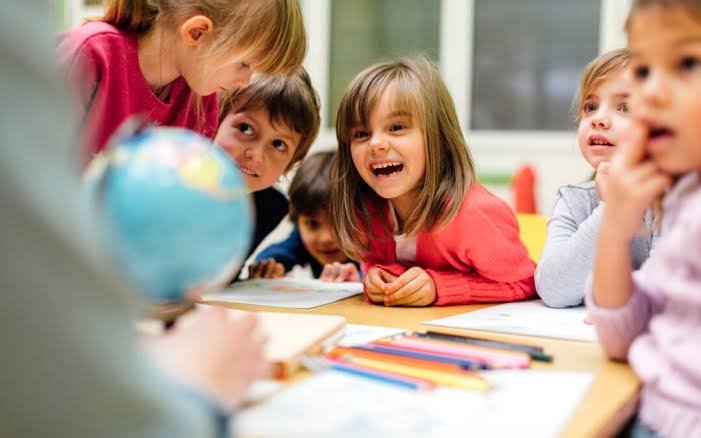
Early childhood education plays a critical role in shaping a child’s future. The years from birth to age five are a period of rapid brain development, social growth, and emotional learning. During this time, children develop foundational skills that influence how they think, communicate, interact with others, and approach learning throughout their lives.
Organizations such as Lil People World recognize the importance of providing children with positive learning experiences during these formative years. Quality educational environments help children build confidence, curiosity, and essential life skills that support long-term success.
As research continues to highlight the impact of early learning, parents and educators are paying closer attention to the value of structured programs that nurture cognitive, social, emotional, and physical development. Understanding the benefits of early childhood education can help families make informed decisions that positively influence a child’s future.
What Is Early Childhood Education?
Early childhood education refers to the learning experiences provided to children from infancy through the preschool years, typically before they enter formal elementary school. These programs support all areas of development through age-appropriate activities, guided instruction, and play-based learning.
Rather than focusing solely on academic achievement, effective early learning programs encourage children to explore, create, communicate, and solve problems. This balanced approach helps children develop the skills needed for future educational success while fostering a lifelong love of learning.
Common elements of quality early education programs include:
- Language and literacy development
- Early mathematics concepts
- Social and emotional learning
- Creative expression
- Physical development activities
- Problem-solving opportunities
- Structured and free play experiences
These components work together to support holistic child development.
The Importance of Early Brain Development
One of the strongest arguments for investing in early childhood education is the significant brain growth that occurs during the first few years of life.
Young children’s brains form millions of neural connections as they interact with their environment. Positive experiences, meaningful relationships, and engaging learning opportunities help strengthen these connections. The skills developed during this period serve as building blocks for future learning.
High-quality educational experiences can help children:
- Develop memory and attention skills
- Strengthen language abilities
- Improve reasoning and critical thinking
- Build emotional regulation
- Enhance social understanding
When children receive consistent support during these formative years, they are better prepared to adapt to future academic challenges.
How Early Childhood Education Supports Academic Success
Children who participate in quality preschool and early learning programs often enter kindergarten with stronger foundational skills than those who have not had similar experiences.
These advantages may include:
Stronger Language Skills
Language development is one of the most important outcomes of early education. Through storytelling, conversations, songs, and interactive activities, children expand their vocabulary and improve communication abilities.
Strong language skills support reading comprehension, writing development, and classroom participation throughout a child’s educational journey.
Early Literacy Development
Exposure to books, letters, sounds, and storytelling helps children develop pre-reading skills. Early literacy experiences create familiarity with language patterns and encourage a positive relationship with reading.
Children who develop literacy skills early often feel more confident when formal reading instruction begins.
Foundational Math Skills
Early learning programs introduce concepts such as counting, sorting, patterns, measurement, and problem-solving through hands-on activities.
These experiences help children understand mathematical thinking in ways that feel natural and engaging.
The Role of Social and Emotional Learning
Academic preparation is important, but social and emotional development is equally valuable. One of the greatest benefits of early childhood education is the opportunity for children to learn how to interact with others in a structured environment.
Through daily experiences, children learn how to:
- Share and cooperate
- Take turns
- Follow directions
- Resolve conflicts
- Express emotions appropriately
- Build friendships
- Develop empathy
These social skills contribute to healthier relationships and improved classroom behavior later in life.
Children who feel emotionally secure are often more willing to explore new ideas, participate in activities, and engage in learning opportunities. Emotional confidence creates a strong foundation for continued growth.
Encouraging Independence and Confidence
Quality early education programs encourage children to become more independent. While adults provide guidance and support, children are also given opportunities to make choices, solve problems, and complete tasks on their own.
Simple activities such as organizing materials, selecting learning centers, or completing age-appropriate responsibilities help children develop confidence in their abilities.
As children experience success in small tasks, they begin to develop:
- Self-confidence
- Decision-making skills
- Responsibility
- Persistence
- Adaptability
These characteristics continue to benefit children well beyond their preschool years.
The Value of Play-Based Learning
Play is often misunderstood as merely entertainment. In reality, play is one of the most powerful learning tools available to young children.
Play-based learning allows children to explore concepts, test ideas, and build skills through meaningful experiences. During play, children naturally engage in problem-solving, communication, creativity, and collaboration.
Examples of learning through play include:
- Building structures to explore engineering concepts.
- Role-playing social situations to develop communication skills.
- Sorting objects to strengthen mathematical understanding.
- Creating artwork to encourage creativity and self-expression.
- Participating in group games to develop teamwork.
By integrating learning into enjoyable activities, educators help children remain engaged and motivated.
Building School Readiness
School readiness involves much more than recognizing letters and numbers. Children must also develop the social, emotional, and behavioral skills necessary to thrive in a classroom environment.
Effective early learning programs help children become comfortable with routines, expectations, and group interactions. They learn how to:
- Listen to instructions
- Participate in group activities
- Focus on tasks
- Transition between activities
- Manage emotions
- Work independently and collaboratively
These skills make the transition to kindergarten smoother and less stressful for both children and parents.
Long-Term Benefits of Early Childhood Education
The impact of quality early learning extends far beyond the preschool years. Numerous studies have linked strong early educational experiences with positive long-term outcomes.
Children who receive quality early education are more likely to:
- Perform better academically
- Graduate from high school
- Develop strong social skills
- Demonstrate positive behavior patterns
- Pursue higher education opportunities
- Build successful careers
While every child’s journey is unique, the foundational skills developed during early childhood often contribute to greater lifelong opportunities.
Choosing the Right Early Learning Environment
Not all programs are the same. Parents should carefully evaluate potential learning environments to ensure they meet their child’s developmental needs.
When assessing a program, consider factors such as:
Qualified Educators
Teachers and caregivers should possess appropriate training and experience in child development and early learning practices.
Safe and Nurturing Environment
Children thrive when they feel secure, supported, and valued. A welcoming environment promotes exploration and confidence.
Age-Appropriate Curriculum
Activities should align with children’s developmental stages while encouraging growth across multiple skill areas.
Family Communication
Strong communication between educators and families helps create consistency and supports children’s development both at school and at home.
Balanced Learning Opportunities
Look for programs that combine academic preparation, social development, physical activity, creativity, and play.
Choosing a high-quality program can significantly influence a child’s educational experience and overall development.
Conclusion
The value of early childhood education cannot be overstated. These formative years provide a unique opportunity to build the cognitive, social, emotional, and physical foundations that support lifelong learning and success. Through engaging experiences, supportive relationships, and developmentally appropriate instruction, children gain the skills needed to thrive both in school and beyond.
By prioritizing quality early learning opportunities, families can help children develop confidence, curiosity, resilience, and a strong love of learning. Institutions such as Lil People World play an important role in creating enriching environments where young learners can grow, explore, and reach their full potential.