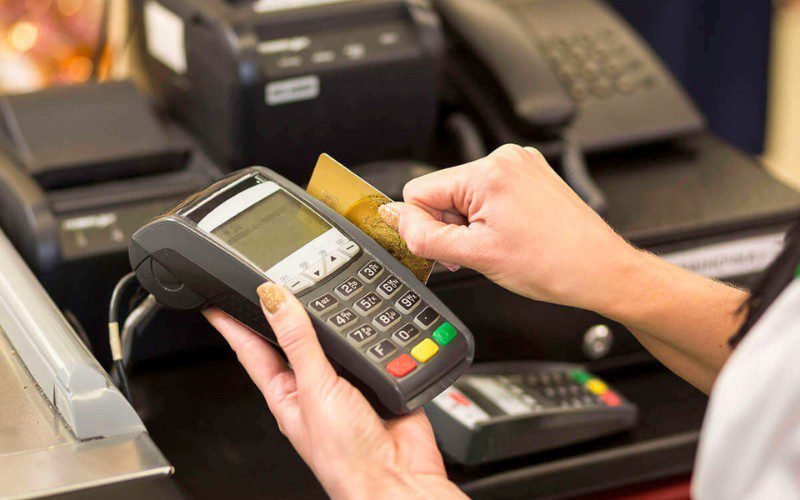
For a physical business, accepting payments is only one part of the checkout process. Customers also expect transactions to be quick, reliable and convenient. This makes the choice of a payment setup an important operational decision. From traditional POS machines to mobile options, businesses now have several ways to accept card and digital payments.
What Is a POS Machine?
A point-of-sale system helps businesses process customer transactions at the point of purchase. A typical POS setup may include a payment terminal, billing software and other tools that help staff complete sales.
A POS terminal can accept card payments and, depending on the configuration, support contactless transactions and other digital payment methods. For retailers, restaurants and service businesses, this creates a straightforward way to handle payments while keeping the checkout process organised.
The right setup depends on factors such as business size, transaction volume, operating environment and the ways customers prefer to pay.
Choosing the Right POS Payment Solution
Businesses should look beyond the hardware when comparing POS payment solutions. A terminal is only one part of the payment experience. The underlying payment infrastructure also affects transaction reliability, settlement processes and how easily the system can support a growing business.
For a fixed retail counter, a conventional POS machine may be suitable. Businesses that operate across multiple locations or need flexibility at the point of sale may benefit from a mobile solution.
This is where mPOS can be useful.
When Does mPOS Make Sense?
Mobile point-of-sale solutions allow businesses to accept payments using portable devices rather than relying entirely on a fixed checkout counter. This can be particularly useful for restaurants, delivery-based businesses, pop-up stores, events and service professionals.
An mPOS setup can give staff more flexibility while allowing customers to complete payments closer to where a product or service is delivered. For businesses with changing operating environments, this can make payment acceptance easier to manage.
Businesses evaluating their options can also explore choosing the right POS solution for different UAE businesses to understand the key considerations when selecting a POS setup.
What Should Businesses Consider Before Choosing a POS Terminal?
Cost is important, but it should not be the only consideration. Businesses should evaluate payment acceptance, transaction reliability, integration requirements, security features and the support available from their payment provider.
It is also worth considering how the solution will work as transaction volumes increase. A payment system that meets today’s requirements should not create unnecessary limitations as the business expands.
For businesses operating in the UAE, choosing a provider with digital payment infrastructure for businesses designed for local merchants can also simplify the process of accepting different payment methods.
Building a Better Checkout Experience
A POS machine should ultimately make transactions easier for both customers and staff. The right combination of hardware, software and payment infrastructure can reduce friction at checkout while giving businesses a dependable way to accept payments.
Whether a business needs a traditional POS terminal for a retail counter or an mPOS solution for mobile transactions, the focus should remain on reliability, flexibility and a smooth customer experience. A well-chosen POS payment solution can become an important part of the wider payment infrastructure supporting everyday business operations.