Introduction
Seen a company announce a stock split and wondered whether that’s genuinely good news for you as a shareholder, or just corporate noise that doesn’t actually change anything meaningful? Fair question, and honestly one that confuses even experienced investors sometimes. Understanding what is a stock split clears up a lot of the excitement (and sometimes overreaction) that surrounds these announcements.
What Is a Stock Split, Exactly?
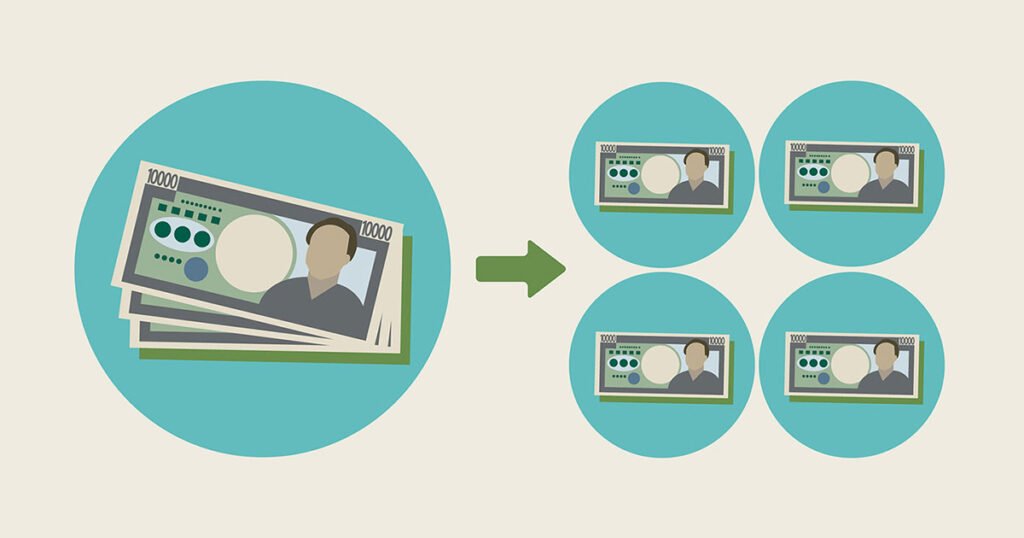
Quick answer: What is a stock split comes down to this — a company divides its existing shares into multiple shares, reducing the price per share proportionally while your total investment value stays exactly the same immediately after the split.
A Simple Example to Make This Concrete
Picture owning 10 shares of a company trading at ₹2,000 each — your holding is worth ₹20,000. If the company announces a 1:2 stock split, you now own 20 shares at ₹1,000 each. Your total holding value is still ₹20,000. Nothing about your actual wealth changed on the day of the split itself.
So Why Do Companies Bother Splitting Stock at All?
- Lower per-share price makes the stock more accessible to smaller retail investors who might have found the higher price intimidating
- Improved liquidity, since more shares trading at a lower price often means more frequent buying and selling activity
- A psychological signal of confidence — companies sometimes split when management feels the stock has grown enough to justify it, though this isn’t guaranteed to mean anything about future performance
Does a Stock Split Actually Increase the Value of My Investment?
No, and this is the part that trips people up. The split itself is purely a mechanical, proportional adjustment — it doesn’t add or remove any actual value from your holding. Any price movement after a split reflects normal market dynamics, not the split mechanism itself.
Why Stock Prices Sometimes Rise After a Split Announcement
I’ve noticed retail investor sentiment can genuinely shift positively around split announcements — the lower, more “affordable-feeling” price sometimes attracts a wave of new buyers, which can push demand and price up temporarily. This is more about psychology and market perception than any fundamental change in the company’s actual value.
Bonus Shares vs Stock Split: A Common Confusion
These get mixed up often, but they’re not identical. A bonus share issue gives you additional shares typically funded from the company’s reserves, while a stock split simply divides your existing shares — the accounting treatment differs even though the visible effect (more shares, lower price) can look superficially similar to an investor.
Reverse Stock Splits: The Opposite Scenario
Occasionally, companies do the reverse — consolidating multiple shares into fewer shares at a higher price, often to meet a stock exchange’s minimum price listing requirement or to improve the stock’s perceived image. This is less common in typical retail investor experience but worth knowing exists.
Should a Stock Split Influence Your Investment Decision?
Honestly, not on its own. A split doesn’t change the company’s fundamentals — revenue, profit, growth prospects — so basing a buy or sell decision purely on a split announcement isn’t sound reasoning. What genuinely matters is the underlying business performance, not the cosmetic share price adjustment.
What Happens to Your SIP or Mutual Fund Holdings During a Split?
If you hold the stock through a mutual fund rather than directly, the fund itself handles the split mechanics internally — your NAV and unit value adjust accordingly without you needing to take any action.
FAQ
Does a stock split make my investment worth more? No, immediately after the split, your total holding value stays exactly the same — only the number of shares and price per share change proportionally.
Why do companies do stock splits if it doesn’t change actual value? Mainly to improve accessibility for smaller investors and boost trading liquidity, along with sometimes signaling management’s confidence in continued growth, though this signal isn’t guaranteed.
Is a stock split good or bad news for investors? It’s generally neutral from a pure valuation standpoint, though it can create positive short-term sentiment and increased trading activity due to the psychologically lower share price.
What is a stock split’s tax implication for existing shareholders? Generally, a stock split itself isn’t a taxable event since you’re not selling any shares — tax implications arise only when you eventually sell the shares, based on your original purchase cost adjusted for the split ratio.
Do I need to do anything when a company I’ve invested in announces a stock split? No action is typically required from your end — the additional shares get credited to your demat account automatically based on the split ratio announced by the company.
Conclusion
Understanding what is a stock split helps you see past the surface-level excitement that sometimes surrounds these announcements — it’s a mechanical adjustment, not a fundamental change in value. Focus on the company’s actual business performance rather than reacting purely to a split announcement. [link to related guide on how to read stock charts here] if you want to better understand how price movements actually reflect market sentiment beyond corporate actions like splits.
Suggested Alt Text: “Diagram showing stock split example with shares dividing and price adjusting proportionally”